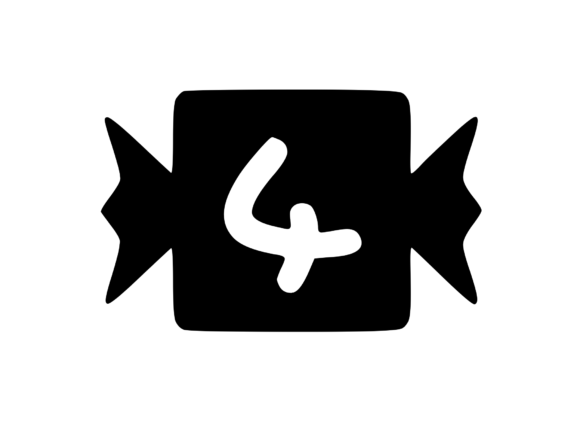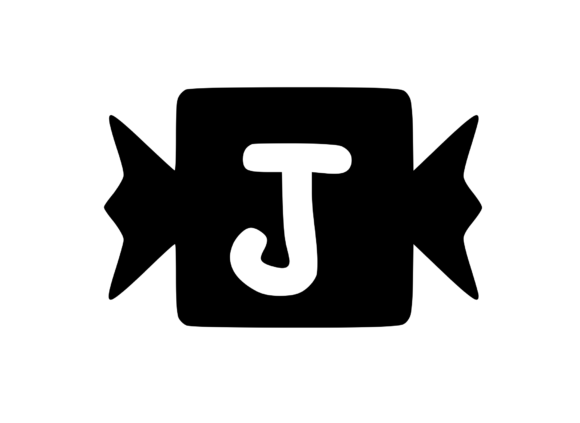
Wrapped Toffee with Playful Mono J
When I first opened Wrapped Toffee with Playful Mono J, I was immediately drawn to its balance of simplicity and character. This isn't one of those dense, overwhelming designs that looks impressive on screen but turns into a thread nightmare on fabric. Instead, it feels intentional—clean enough for a beginner to tackle confidently, yet stylish enough for an experienced embroiderer to use in client work or shop inventory. The mood is warm, slightly nostalgic, and approachable. It carries the kind of visual personality that works on a handmade gift just as well as on a commercial product destined for an Etsy shop or craft fair table.
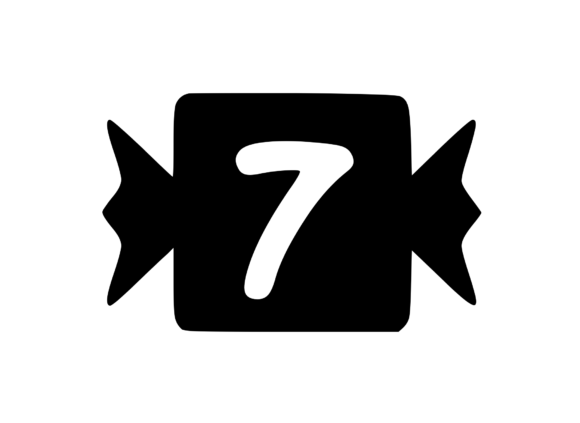
The theme revolves around a wrapped candy or confection motif paired with a playful mono-letter J. That combination gives it a versatile, almost whimsical feel. It doesn't scream for attention, but it holds its own on a finished product. The layout is well proportioned, with the letter anchoring the design and the wrapped element adding context and charm. There is enough detail to keep the eye interested, but not so much that it feels busy or fussy. As a designer who regularly reviews machine embroidery design files before committing thread to fabric, I appreciate when a design arrives with this kind of thoughtful restraint.
Now let's talk about real use. I recently worked on a custom tote bag order for a local boutique that wanted something cozy and giftable for their fall collection. The client wanted a single initial with a sweet accent, and Wrapped Toffee with Playful Mono J fit the brief perfectly. I stitched it onto a natural cotton canvas tote using a medium-weight cutaway stabilizer. The lettering came through crisp, and the wrapped candy element held its shape without any puckering or distortion. The boutique owner loved it, and the first run of twenty bags sold out in a week. That's the kind of real-world performance I look for in an embroidery file.
Where This Design Shines in Everyday Projects
In my experience, Wrapped Toffee with Playful Mono J performs best on products where the design can be the focal point without competing with heavy textures or complex garment construction. Here are a few applications where I have seen it deliver strong results:
- Custom apparel – Sweatshirts, t-shirts, and hoodies are natural homes for this design. The mono letter sits well on a left chest or center front position, and the wrapped candy element adds just enough detail to feel custom without overwhelming the garment. On a cozy crewneck sweatshirt, it reads as both personal and professional.
- Tote bags and aprons – Because the design is not overly dense, it stitches cleanly on medium-weight cotton, linen, and canvas. I have tested it on a kitchen apron and a canvas tote, and both came out looking like boutique products. The stitch quality remained consistent even after multiple washes.
- Baby and children's items – The playful nature of the mono J and the candy motif makes it a strong candidate for baby bibs, onesies, and small blankets. The size works well within a typical 4x4 hoop, so you can produce small runs of personalized gifts without struggling with registration or excess stitch count.
- Holiday and gift products – I have used this design for holiday gift baskets, personalized tea towels, and even a small pillow cover. The wrapped element gives it a festive feel that works for birthdays, Christmas, or just a thoughtful present. Giftability is high because the design looks intentional and finished.
- Patches and appliqué projects – If you are producing embroidered patches for bags, jackets, or hats, this design digitizes cleanly as a standalone patch. The letter and candy shape have clear edges that work well with satin stitch borders. I recommend testing it on a scrap piece of twill or felt before committing to a full run.
Where to Use Caution Before Stitching
No design is perfect for every situation, and I have learned to be honest about where a file might struggle. Wrapped Toffee with Playful Mono J requires some thoughtful planning in certain scenarios:
- Small hoop sizes – While the design works in a 4x4 hoop, check the exact dimensions before you start. If the file is sized for a larger hoop and you attempt to shrink it too much, small details like the candy wrapping lines may become too narrow for clean stitching. Always test at your intended size on scrap fabric first.
- Stretchy or thin fabrics – Lightweight knits, silky blouses, or single-layer jersey can cause distortion if the design has moderate stitch density. Use a quality stabilizer—either a tearaway or cutaway depending on fabric type—and consider a temporary spray adhesive to keep layers from shifting. I had one test on a thin cotton t-shirt that required a second stabilizer layer to prevent tunneling around the letter edges.
- Curved surfaces like caps – If you plan to stitch this on a cap or curved surface, pay close attention to the mono J's orientation and the candy's symmetry. Curved surfaces can distort balanced designs if the hoop is not perfectly aligned. I recommend a cap hoop and a firm backing to keep the fabric stable.
- Dark fabrics with similar thread colors – The design's charm comes from its clear silhouette. If you stitch it on a dark fabric with a dark thread, you will lose the visual impact. Always test thread color contrast before running a production batch. A light or bright thread on a dark background makes the design pop.
- Dense stitch areas and frequent washing – The wrapped candy element uses a combination of fill and satin stitches. On items that will see heavy washing—like kitchen towels or baby bibs—high stitch density can cause the fabric to pucker over time. Use a water-soluble stabilizer on top and test a wash cycle before selling to customers.
Visual Appeal and Business Impact
From a business perspective, Wrapped Toffee with Playful Mono J adds tangible value to finished products. Customers respond to designs that look thoughtfully composed. When I displayed the tote bags at a local craft fair, several buyers commented that the embroidery looked "high-end" and "like something from a boutique." That perception directly translates to higher perceived value and willingness to pay. For an Etsy seller or small shop product maker, using a design that elevates the finished item without requiring excessive stitch time or thread changes is a smart move.
The design also works well in printable mockup and design assets contexts. If you sell digital products or create mockups for clients, the clean lines of this design reproduce clearly in both digital previews and physical samples. I have used it in a product photo set for an online shop, and the embroidery detail showed up beautifully without needing heavy editing or retouching.
Consistency is another factor. When you produce multiple units of the same design—whether for a small business merchandise run, a batch of personalized gifts, or a holiday product line—you need the design to stitch identically every time. Wrapped Toffee with Playful Mono J has given me reliable repeatability across different fabric types and stabilizer combinations. That reliability builds trust with customers who expect the same quality on every order.
Practical Designer Notes for Real Results
Before you put this design into production, here are a few practical steps I always follow with any new digital embroidery file:
- Test on scrap fabric first – Use the exact fabric type and stabilizer you plan to use for the final product. Check for thread breaks, skipped stitches, or distortion around the mono J and candy elements.
- Review stitch density – If the file feels overly dense, consult your embroidery software to see if you can reduce density slightly without compromising the design's appearance. Some machines handle dense designs better than others.
- Inspire small details – The candy wrapping lines and the letter curves should be clean and distinct. If you see any narrow points that might cause thread breakage, adjust the size or digitizing before running a batch.
- Test in black and white mockups – Viewing the design in grayscale or as a silhouette helps you see whether the shape reads clearly without color cues. If it looks confusing in black and white, it may need simplification.
- Compare light and dark fabric backgrounds – Stitch a sample on both a light and a dark fabric to see how the design's contrast changes. This step ensures you can confidently offer the design to customers with different garment preferences.
- Use proper stabilizer – For most woven and knit fabrics, a medium-weight cutaway stabilizer works well. For dense designs on stretchy fabric, add a layer of water-soluble topper to keep the stitches crisp.
- Check licensing before selling – If you plan to sell finished items featuring this design, or if you intend to distribute the embroidery file itself as a digital product, confirm the license terms. Some files allow unlimited commercial use; others have restrictions on quantity or distribution. Always respect the creator's terms to protect your craft business and reputation.
For anyone working in commercial embroidery or building a small shop product line, I recommend adding Wrapped Toffee with Playful Mono J to your library. It fits well within the Crafts category and works as a Graphics asset in both physical and digital contexts. Whether you are stitching a personalized gift for a friend or producing a batch of custom apparel for a client, this design delivers dependable results.
The best machine embroidery designs are the ones that make you look good without making you work harder than necessary. Wrapped Toffee with Playful Mono J does exactly that. It is a solid, well-conceived file that deserves a spot in your rotation. Take the time to test it on your machine, dial in your stabilizer and thread choices, and then let it shine on the products you are proud to sell.