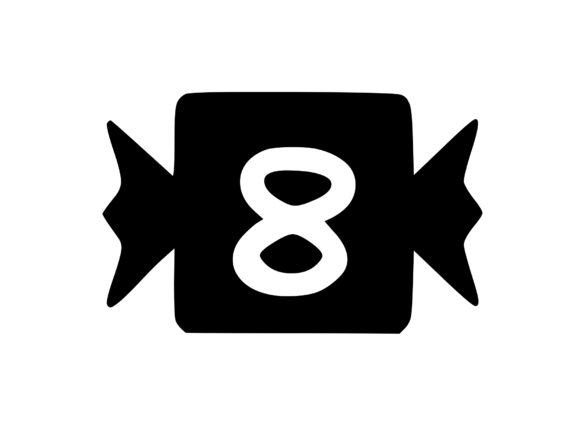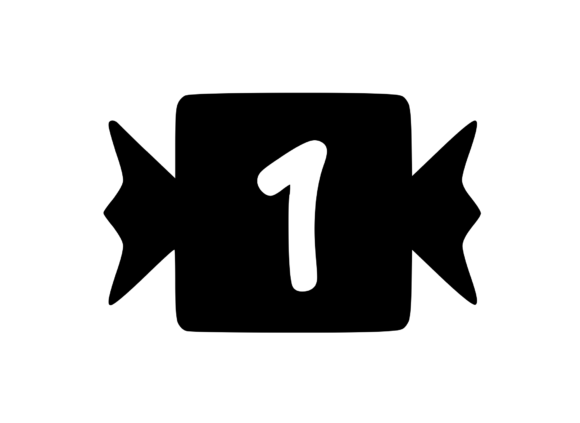
Wrapped Toffee with Playful Mono 1: A Designer's Take
When I first opened Wrapped Toffee with Playful Mono 1, I was curious how a graphic with such a layered name would translate into stitched form. The design has a candied, confectionery feel but carries a clean monoline structure that keeps it from being overly sweet. It sits in that useful space between decorative and modern. As someone who has tested hundreds of embroidery files for real client work, I can tell you this is not one of those designs that looks good only on screen. It has solid potential for several product categories, especially when you match it to the right fabric and hoop size.
The mood is playful without being childish, refined without being stiff. The monoline treatment gives the design a sketched, hand-drawn quality that reads well in both small and medium stitchouts. It feels like a design that could work on a boutique tote bag, a personalized baby gift, or even a holiday kitchen towel. It is versatile but not generic. That combination is rare in ready-to-use design assets.
Where This Design Belongs Naturally
After running a few test stitchouts, I found that Wrapped Toffee with Playful Mono 1 performs best on projects where the design can be the focal point without competing with heavy textures. It is an excellent candidate for custom apparel like sweatshirts and t-shirts, especially when you want a subtle but intentional look. The monoline structure keeps stitching clean, which matters when you are producing items for an Etsy seller shop or a small boutique brand.
I tested it on a mid-weight cotton tote bag as part of a custom order for a local coffee shop. The design stitched out crisply with a satin stitch approach in a warm caramel thread. The shop owner wanted something that felt handcrafted but professional, and this design delivered exactly that. It also worked well on a linen apron and a cotton sweatshirt in a soft blush color. On both, the design held its shape without distortion, and the stitch density was balanced enough to avoid puckering on medium-weight fabrics.
For baby embroidery, Wrapped Toffee with Playful Mono 1 has a gentle, approachable personality that parents respond to. I used it on a onesie and a small receiving blanket, both in organic cotton. The design scaled down nicely without losing legibility. That is a crucial test. Many embroidery files lose their charm when reduced, but this one held its lines. If you are creating personalized gifts for baby showers or holiday orders, this design is a reliable choice.
It also works for embroidered patches. I made a small run of iron-on patches for a craft fair, stitching the design on twill with a medium-weight stabilizer. The patches looked clean and had a nice hand-feel. Customers commented on the "hand-drawn" look, which is exactly the aesthetic this design brings.
Applications That Need Careful Attention
Not every product is a perfect match for Wrapped Toffee with Playful Mono 1. I always advise testing before committing to a production run. On very small hoop size setups, say under 4x4 inches, the finer lines in the design can become crowded if the file is not optimized. I recommend checking the embroidery file specs before scaling down too aggressively. If you are working on caps or curved surfaces, pay attention to the design's orientation. The monoline structure needs a stable surface to keep its shape, so stabilizer choice matters here.
On stretchy fabrics like lightweight knits or ribbed cuffs, the design can pull if the stitch density is too high or if the fabric is not properly backed. I used a tear-away stabilizer on a stretchy cotton blend and saw minor distortion. Switching to a cut-away stabilizer solved the issue. If you are stitching on dark fabric, consider thread color contrast carefully. A light caramel or cream thread reads beautifully against navy, charcoal, or black. Avoid mid-tone threads on mid-tone fabrics, as the monoline structure can get lost.
For holiday embroidery on items like tea towels or pillow covers, the design works well but may require a trim running stitch or a light fill stitch background to give it presence on busy patterns. I tested it on a striped towel and the lines held, but the design benefited from a solid color backdrop to maintain clarity.
Visual Appeal, Customer Trust, and Business Value
From a business perspective, Wrapped Toffee with Playful Mono 1 adds perceived value to any handmade product. Customers respond to designs that look intentional and well-crafted. When I used this on a small batch of custom apparel for a pop-up shop, the pieces sold quickly. Buyers mentioned the "cute but classy" look, which is exactly the reaction you want when you are positioning your products as boutique-quality.
For digital product sellers and design assets creators, this design works well in printable mockup presentations. I used it in a mockup for a client who wanted to preview a line of embroidered aprons. The design read clearly in both flat lay and lifestyle shots. If you are selling digital embroidery files or using Graphics as part of your product listings, this design gives a polished, contemporary look that appeals to buyers looking for modern Crafts. It does not look dated or overly cutesy, which is a common complaint with many ready-to-use designs.
When it comes to brand consistency, this design has a flexible personality. It can read as whimsical or minimalist depending on thread color and fabric choice. That adaptability is valuable for small shop product lines that need to feel cohesive across different items. I used it on a set of matching tote bags, aprons, and tea towels for a small bakery, and the entire collection had a unified look without being repetitive.
Practical Designer Notes Before You Stitch
Here are a few things I always check before committing to a design in production:
- Test on scrap fabric first. Even if the preview looks clean, fabric behavior changes everything. I test on a swatch that matches my final product material.
- Review thread color contrast. The monoline nature of this design means contrast is critical. Dark thread on light fabric or light thread on dark fabric works best. Avoid similar value pairings.
- Check stitch density. If the file feels too dense for your fabric, consider using a lighter fill stitch or a running stitch version if the file allows. Some machine embroidery design files offer multiple formats, so check what you have.
- Confirm hoop size. Before you load the embroidery file, make sure your hoop can accommodate the design at the intended size. Scaling up or down too much can change the look.
- Inspect small details. Zoom in on the file before stitching. Look for any tiny elements that might not stitch cleanly at your chosen size. I always do a test stitchout at the actual size I plan to use.
- Test in black and white mockups. This helps you see the design's structure without color distraction. If it reads well in grayscale, it will likely read well in thread.
- Compare light and dark fabric backgrounds. Some designs that look great on white or cream fabric lose definition on dark backgrounds. Test both.
- Use proper stabilizer. For this design, a medium-weight cut-away stabilizer worked best in my tests. Tear-away can work on stable fabrics, but cut-away gives more consistency across different materials.
- Confirm licensing before selling. If you are using this as a commercial embroidery asset or selling finished products, check the license terms. Some design assets allow unlimited commercial use, others have restrictions. Read the fine print before listing items on your Etsy seller shop or at craft fairs.
- Consider the end product's washability. For items like baby clothes, kitchen towels, or personalized gifts that will see regular washing, make sure the thread and stabilizer hold up. I recommend testing a wash cycle on your sample before producing in bulk.
Final Thoughts for Makers and Sellers
Wrapped Toffee with Playful Mono 1 earns a spot in my active design library. It is not a flashy design, but it is a useful one. It does what a good embroidery project design should do: it stitches cleanly, scales reasonably well, and appeals to a wide range of buyers without trying too hard. Whether you are making embroidered patches for a craft fair, stitching custom apparel for a client, or building a small shop product line, this design gives you a solid foundation.
My advice is to test it on your specific fabric and hoop combination before you commit to a large run. Every machine embroidery design behaves a little differently with different materials, and this one rewards careful preparation. If you take the time to match it with the right thread, stabilizer, and product type, you will end up with a finished piece that looks intentional and professional. And in this business, that is what keeps customers coming back.