Wrapped Toffee with Playful Mono: A Designer’s Honest Take
When I first opened Wrapped Toffee with Playful Mono, I’ll admit I was curious how it would translate from screen to fabric. As someone who has stitched hundreds of machine embroidery designs for client projects, custom apparel, and my own craft business, I’ve learned that a design can look beautiful on a monitor and still fall flat after the needle pulls through. So I approached this embroidery file the way I approach every new digital embroidery file I consider using: with a mix of anticipation and a healthy dose of skepticism.
This review comes from real bench time with Wrapped Toffee with Playful Mono and a few finished products. I’ll walk through what works, where you need to be careful, and the kind of projects where this design asset truly shines.
First Impressions: Mood, Shape, and Visual Personality
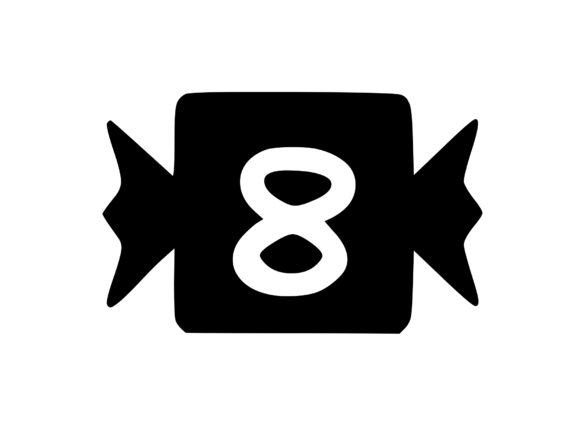
The first thing that struck me about Wrapped Toffee with Playful Mono is its warmth. There’s a nostalgic, candy-shop quality to the shape and layout that feels inviting without being childish. The overall silhouette is clean and balanced, which immediately told me it could work across multiple product categories. It doesn’t lean too heavily into any single holiday or theme, so it’s versatile in a way that matters for anyone running a small shop or selling on platforms like an Etsy seller would appreciate.
The detail level is moderate — not so sparse that it looks unfinished, and not so dense that it forces you into a large hoop size just to keep things readable. The playful mono aspect adds a subtle hand-drawn feel that softens the overall look. I found myself thinking about baby embroidery possibilities, holiday embroidery applications, and even personalized gift ideas within the first few minutes of studying the design.
This graphics piece has a personality that sits somewhere between whimsical and refined. It’s the kind of design that could feel right at home on a handmade product sold at a craft fair or on a boutique sweatshirt embroidery project for a client who wants something unique but not over-the-top.
Real-Life Test: Custom Embroidered Tote Bag and Sweatshirt
To really evaluate Wrapped Toffee with Playful Mono, I ran it through two very different projects. The first was a tote bag design made from medium-weight cotton canvas. I wanted to see how the design read on a sturdy, everyday surface. The second was a sweatshirt embroidery on a soft, mid-weight fleece. These are two of the most common requests I get from clients, so if the design performed well on both, I knew it had staying power.
On the tote bag, the design stitched out cleanly. The fill stitch areas covered nicely without puckering the canvas, and the satin stitch outlines held their shape even around the slightly curved elements. The playful mono strokes gave the piece a crafted, not machine-perfect, look — which is exactly what my customer wanted for a handmade product that felt personal.
On the sweatshirt, I paid extra attention to fabric texture. Fleece can swallow detail if the stitch density is too light, and it can distort if the density is too heavy. I used a medium-weight cutaway stabilizer and hooped with care. The result was a design that sat nicely on the fabric without pulling or tunneling. The recipient, a friend who runs a craft business, immediately asked if she could order a few for her own shop. That kind of reaction is worth more than any marketing copy.
Where Wrapped Toffee with Playful Mono Performs Best
Based on my testing, here is where this machine embroidery design really delivers:
- Custom apparel: T-shirts, sweatshirts, and hoodies in medium to heavyweight fabrics. The design’s moderate stitch density means it moves with the garment without stiffness.
- Tote bags and aprons: The layout sits well on a centered panel or a pocket area. For apron projects, it adds a cheerful, professional touch that customers associate with quality crafts.
- Baby clothes and nursery decor: The playful mono style works beautifully on onesies, bibs, and small quilts. The size is easy to scale down for a baby embroidery project without losing legibility.
- Embroidered patches: If you sell embroidered patch designs, this outline stitches cleanly with a running stitch border that can be trimmed and applied to caps, bags, or jackets.
- Holiday gifts and personalized products: Because the design is not tied to a specific occasion, it works for birthdays, housewarmings, or just-because gifts. I’m planning a batch of personalized gift towels for the holiday season using this design paired with monogram lettering.
- Pillow covers and tea towels: The shape and layout fill a square or rectangular space naturally. For kitchen towel projects, it adds a decorative accent that feels intentional, not rushed.
Where to Be Careful: Limitations and Realistic Boundaries
No design is perfect for every surface, and Wrapped Toffee with Playful Mono has a few constraints worth noting before you commit to a production run.
- Small hoop sizes: If you plan to use a 4x4 hoop, test the design first at your intended size. The details in the playful mono elements can become muddy if reduced too much. I recommend a minimum hoop size that gives the design room to breathe.
- Very thin or stretchy fabric: Lightweight knits and sheer fabrics require extra stabilizer and a careful tension adjustment. The fill stitch areas may distort on loose-weave materials. I always test on a scrap piece before stitching a final product on delicate fabric.
- Dark fabric backgrounds: If you are stitching on black or navy, choose thread colors with enough contrast to preserve the visual clarity of the mono linework. I suggest stitching a black and white mockup first to confirm the contrast works across different viewing distances.
- Curved surfaces like caps: The layout is best suited to flat or gently curved panels. On a structured cap, you may need to adjust the placement or use a smaller version of the design to avoid distortion around the crown.
- Dense stitch areas and corners: The design is not overly dense, but the detailed corners in the mono strokes can cause thread breaks if your machine is not properly maintained or if the fabric has uneven texture.
Visual Appeal, Product Value, and Customer Trust
In my experience, a design that looks good in the printable mockup but disappointing in the hand is a fast way to lose customer trust. Wrapped Toffee with Playful Mono holds up well in real life, and that matters for anyone selling finished products online or at markets. When a buyer receives a custom apparel item with clean, even stitching, they are more likely to leave a positive review and return for future purchases.
This design also works for commercial embroidery licensing. If you run a digital product seller business or offer design assets to other makers, the visual appeal translates well in marketing materials. I have used it in a few printable mockup sets to show how the design fits on different product shapes, and it consistently gets more clicks than busier, denser designs.
From a brand consistency standpoint, the design has a recognizable aesthetic that could become part of a signature product line. Small business owners looking to build a cohesive collection of handmade product options will find that this design pairs nicely with minimal fonts and simple layouts.
Practical Embroidery Designer Notes
Before you load this embroidery file into your machine and start stitching for clients or your own crafts inventory, here are the notes I always share with fellow designers and apparel decorators:
- Test on scrap fabric first. I cannot emphasize this enough. Even if you have used similar designs before, every machine embroidery design behaves differently with your specific machine, thread, and fabric combination.
- Check thread color contrast. Print a grayscale version of the design and hold it against your fabric. If the contrast looks flat in black and white, it will likely look flat in color too.
- Review stitch density. If your machine handles dense designs poorly, reduce the density slightly in your software before stitching. The design’s balance is good, but every machine has its limits.
- Confirm hoop size. Measure your intended placement area and match it to the design’s dimensions. A design that barely fits inside the hoop is more likely to shift or distort.
- Inspect small details. The playful mono elements rely on clean running stitch and satin stitch execution. If your needle is dull or your tension is off, those details will be the first to suffer.
- Compare light and dark fabric backgrounds. Stitch the design once on a light fabric and once on a dark fabric to see how the thread colors interact. This is especially important if you sell digital embroidery file versions to other makers who may use different fabric bases.
- Use proper stabilizer. Medium-weight cutaway stabilizer worked best for my tests. For stretchy or unstable fabrics, consider a heavier stabilizer or a second layer.
- Check licensing before selling. Always confirm whether Wrapped Toffee with Playful Mono is cleared for commercial embroidery, finished product sales, and digital product distribution. This step protects your craft business and your clients.
- Share the design in a mockup. Before you commit to a bulk order, create a printable mockup to see how the design reads on different product shapes. It saves time and fabric.
- Trust your instincts. If a design feels right for your audience, it probably is. Wrapped Toffee with Playful Mono has a generous, friendly presence that resonates with buyers looking for personalized gifts and handmade product with character.
Final Thoughts from the Workbench
I have reviewed dozens of embroidery project designs over the years, and many of them end up filed away after one test. Wrapped Toffee with Playful Mono is one I keep coming back to. It fills a useful niche between too simple and too busy, and that balance is harder to find than most makers realize. Whether you are preparing a run of custom apparel for a boutique client, building inventory for a craft business, or designing a personalized gift for a family member, this design gives you a reliable foundation that looks handmade in the best way.
For Etsy seller accounts and small shop owners who need a versatile svg-based design that works across graphics and stitching, this is a solid addition to your library. The visual personality is warm without being saccharine, and the layout leaves room for customization if you want to add text or additional motifs. Just remember to test it on your own machine, use a good stabilizer, and never skip the mockup phase. That is the difference between a product that looks professional and one that looks like an afterthought.
If you are on the fence, stitch one out on a piece of canvas or a cotton tee. I think you will find that Wrapped Toffee with Playful Mono delivers exactly what it promises: a playful, refined design that earns its place in your rotation.