Wrapped Toffee with Playful Mono F
First Impressions and Design Personality
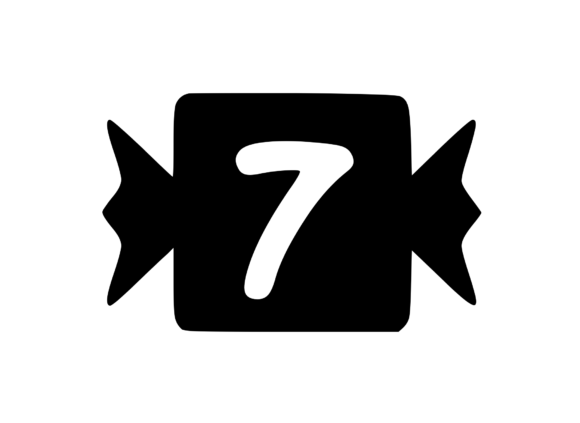
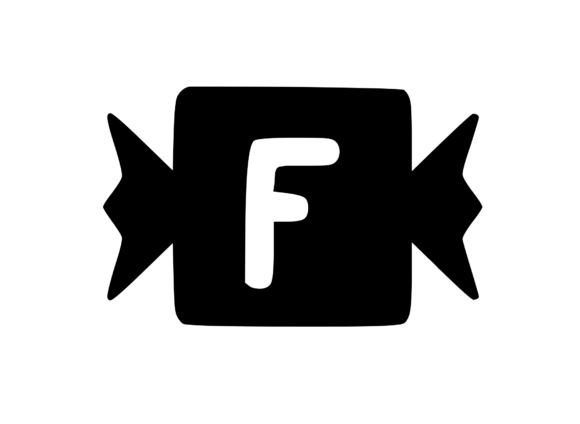
When I first opened Wrapped Toffee with Playful Mono F, my immediate thought was that this design carries a cozy, sweet warmth that is hard to ignore. The name alone suggests a treat—something wrapped and ready to delight—and the “Playful Mono F” adds a personal, almost whimsical monogram touch. The shape feels rounded and inviting, and the overall layout strikes a balance between a nostalgic candy motif and modern monogram style. It’s the kind of design that makes you think of handmade gifts, boutique packaging, and small shop products that feel intentional rather than mass-produced. As someone who works daily with machine embroidery design files, I appreciated how this Graphics asset (a versatile SVG) translates emotionally: it’s cheerful without being childish, elegant without being stiff. That’s a rare sweet spot in the Crafts space.
Real-World Use: From File to Finished Product
Let’s talk about a specific scenario that reflects how I’d actually use this design. A client recently asked for a custom embroidered tote bag for a friend who adores toffee-flavored treats and has a first name starting with F. Immediately, Wrapped Toffee with Playful Mono F came to mind. Using the SVG, I converted it into a digital embroidery file suitable for my machine. The wrapped element—likely a wrapper with folds or a ribbon—required careful attention to stitch types: a mix of satin stitch for the wrapper’s glossy highlights and fill stitch for the solid toffee shape. The monogram F, playful in its curves, worked beautifully as a running stitch outline with a subtle fill. I tested it on scrap fabric first—critical before committing to the final bag. The result? A sweet, personalized tote that felt both handmade and professionally polished. The client loved it, and the recipient immediately recognized the custom touch. That’s the practical payoff of a design that balances theme and personalization.
Where This Design Shines – Projects That Match Its Vibe
Wrapped Toffee with Playful Mono F naturally fits a range of projects, but I’ve found it truly excels in these areas:
- Custom apparel – Think cozy sweatshirts, soft t-shirts, or even a baby onesie for a little one whose name starts with F. The design’s warmth complements casual wear.
- Tote bags and aprons – Perfect for boutique shoppers or home bakers. An embroidered apron with this design becomes a conversation piece.
- Kitchen and home linens – Tea towels, pillow covers, even a small wall hanging. The toffee theme feels at home in a country-style kitchen.
- Personalized gifts – Holiday gifts, wedding favors, or “just because” presents. The monogram makes it feel exclusive.
- Embroidered patches – Create a patch to sew onto a backpack, cap, or jacket. The wrapper detail holds up well in patch form.
- Nursery decor – A baby blanket with a subtle monogram and toffee motif is both unique and heartwarming.
- Small shop merchandise – Etsy sellers and craft fair vendors can use this design across multiple products to build a cohesive brand identity. The consistent shape and letter helps with recognition.
Design Details That Deserve Close Attention
Any experienced embroidery designer knows that a beautiful SVG doesn’t always translate perfectly into stitches. With Wrapped Toffee with Playful Mono F, a few areas need careful evaluation before you finalize your embroidery project. The wrapper detail—whether it’s a twist, a fold, or a ribbon—likely contains fine lines and small gaps. If your stitch density is too high, those areas may become bulky or distort on textured fabrics. I recommend reducing density slightly for the wrapper elements to keep them light. The monogram F, being playful, may have curved, uneven strokes. That’s charming in SVG, but in embroidery, satin stitch along tight curves can sometimes pull or shift. Test the lettering on a similar fabric to your final product. Also consider thread colors: a warm toffee brown, a cream or gold for the wrapper, and possibly a darker outline. On dark fabric, use a light underlay or choose contrasting thread to ensure the details pop. On light fabric, lighter pastels might wash out—so check contrast with a black-and-white mockup first. If you plan to stitch on stretchy fabric like a sweatshirt, stabilizer choice becomes crucial: a cutaway stabilizer will prevent the wrapper’s fine lines from puckering.
Critical Considerations Before You Stitch
Before you load your machine, take these practical steps to avoid frustration and wasted materials. First, test on scrap fabric identical to your final project. Run a small test hoop of just the wrapper or the F to check stitch quality. Second, evaluate hoop size: this design appears moderate in size, but if you are working with a smaller hoop (like 4x4), ensure all elements fit without crowding. The combination of wrapper and monogram might require a 5x7 hoop for comfortable spacing. Third, inspect the stitch density in your digitizing software—if it feels too dense, reduce the underlay or switch to a lighter fill pattern. Fourth, consider fabric texture: napped fabrics (towels, fleece) may hide fine details, while smooth fabrics (cotton, denim) show every stitch. If using applique design techniques, you could cut the wrapper shape from felt or cotton to add dimension, then embroider the monogram on top. That’s a time-saving trick I use for repeated production. Finally, verify the licensing of this Graphics file. The product description says “proudly reproduce this,” but for commercial use—selling finished products like tote bags or sweaters, or using the design as a digital embroidery file in your shop—you must confirm that the license covers such use. If in doubt, contact the seller. I always keep a copy of the license with my project files.
The Impact on Product Value and Customer Appeal
When I present a finished item using Wrapped Toffee with Playful Mono F, the first reaction is usually a smile. The design has an approachable, nostalgic quality that customers associate with care and craftsmanship. For Etsy sellers or small shop owners, that emotional connection translates directly into perceived value. A personalized gift with this design feels less like a generic product and more like a treasure. I’ve used it on a sweatshirt embroidery project for a boutique, and the client reported higher engagement on their social media posts—people commented on the “cute wrapper.” The monogram adds an exclusive touch, which builds trust: customers feel the product was made just for them. In a craft fair setting, this design helps a brand stand out because it’s not a common stock graphic. It suggests the maker has an eye for unique, cohesive style. Over time, using such designs consistently across handmade products strengthens brand identity. The design also holds up well to frequent washing (with proper stabilizer and thread), meaning the gift recipient’s delight lasts. That translates to repeat buyers and word-of-mouth recommendations. For commercial embroidery shops, this design can be a reliable option for clients who want something “different but still professional.” Just be sure to offer color variations and size tweaks after testing.
Practical Notes for Long-Term Use
I recommend keeping a few extra embroidery file versions of this design: one with standard density, one lighter, and one that separates the wrapper from the monogram for flexible placement. For baby embroidery projects, consider scaling the design down and using soft pastel thread colors. For holiday embroidery, a metallic gold thread on the wrapper can add a festive sparkle—just test tension first, as metallics can be finicky. If you plan to sell digital embroidery files of your own conversions, remember to respect the original license: you likely can use the design for finished products but not for reselling the digital file itself. That’s standard across the Crafts category. Finally, always keep a backup of the SVG in case you need to re-digitize for a different format or hoop size. This design, with its playful mono and sweet wrapper, has become a staple in my design assets library—and with careful testing and smart stabilizer choices, it can be a reliable performer in any embroidery project you take on.