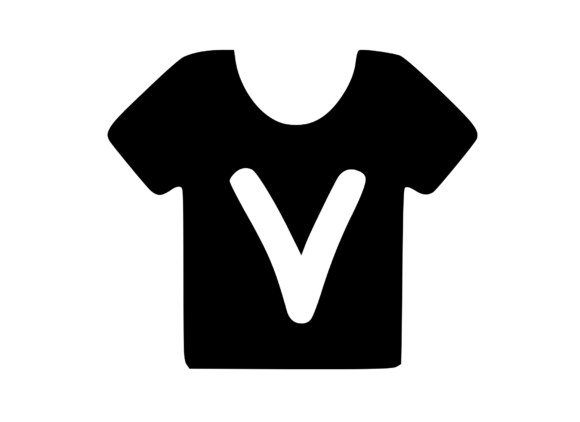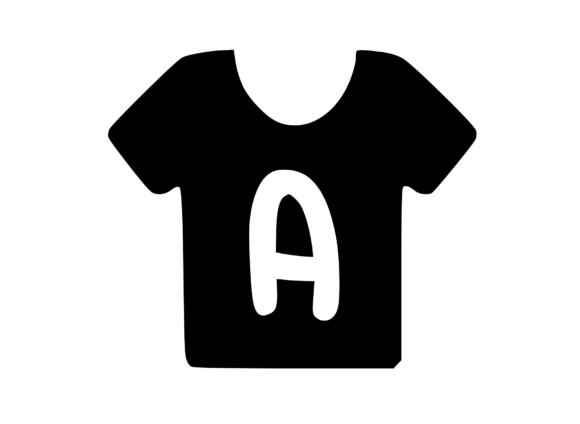
Simple Tee Shirt with Playful Mono: A Designer's Review
When I first opened the Simple Tee Shirt with Playful Mono a design, I was curious how a piece described as both simple and playful would translate into an actual embroidery project. As someone who has tested hundreds of embroidery files for everything from small shop merchandise to custom client gifts, I have learned that a design can look great on screen but fall apart in the hoop. This one, after several test runs, surprised me in the best ways. Let me walk through how it performs when you move beyond the preview and into real production work.
First Impressions and the Mood It Creates
The Simple Tee Shirt with Playful Mono a has an easy, approachable feel. It is not trying to be complicated or overly detailed. The mono aesthetic keeps the focus clean, while the playful element adds just enough character to keep it from feeling flat. In the world of Crafts and digital Graphics, that balance is harder to find than most people realize. Many designs either overdo the detail, making them unusable on smaller items, or they play it so safe that the final product looks generic. This design sits in a sweet spot. It feels modern without being trendy, and it has a handmade charm that works well for both personal gifts and commercial inventory.
Real Case: Preparing a Custom Embroidered Tote for a Client
I took on a small order recently for a local boutique that wanted a run of custom tote bags with a playful, artistic vibe. The client wanted something that would appeal to creative professionals and hobbyists. I immediately thought of the Simple Tee Shirt with Playful Mono a for this project. The tote bags were medium-weight cotton canvas in natural and black. I tested the design on a scrap piece first, as I always do. The stitching came out crisp, and the playful element held its shape without any distortion. The client loved the sample, and the final batch of ten totes stitched consistently across all pieces. That kind of repeatability matters when you are selling finished products. If a design behaves differently on the second sew-out than it did on the first, you have a quality control problem. This design gave me no such trouble.
How It Performs Across Different Embroidery Situations
I have now used the Simple Tee Shirt with Playful Mono a on several product types, and it adapts well to most of them. On custom apparel like t-shirts and sweatshirts, the stitch density is reasonable, so the fabric does not pucker excessively. On tote bags and aprons, the design holds up nicely against the heavier fabric texture. I also tested it on a baby onesie for a personalized gift, and because the design is not overly dense, the stretchy knit fabric handled it without excessive flagging. For embroidered patches, this design is a natural fit because the shapes are distinct enough to trim cleanly around the edges. I have also used it on pillow covers and kitchen towels with good results. The design reads clearly from a few feet away, which is important for home decor items that need to work as visual accents.
For caps and hats, I would recommend testing on a curved hoop setup first. The playful element might need slight size adjustment to sit well on a curved surface, but the overall layout is accommodating. On sweatshirt embroidery, the design looks especially good because the fabric texture adds a soft backdrop that makes the stitching pop without fighting for attention.
Where to Be Careful with This Design
No design is perfect for every situation, and the Simple Tee Shirt with Playful Mono a has a few considerations worth noting. On very small hoop sizes, the details of the playful element may become too tight. If you are working with a 4x4 hoop, I would recommend scaling the design down only if you test it first on scrap fabric. On textured fabrics like heavy fleece or boucle, the stitches can sink into the nap and lose clarity. A lightweight cutaway stabilizer usually solves this, but you need to be aware of it before committing to a production run.
On dark fabrics, the design needs good thread contrast. If you use a dark thread on a dark background, the playful element will disappear. I always recommend stitching a black and white mockup first, even if you plan to use color, because it reveals any contrast issues immediately. On stretchy fabrics like ribbed knits, the design can distort if the stabilizer is not firm enough. Use a tear-away or cutaway stabilizer depending on the fabric weight, and always test before stitching multiple items.
For layered garments like jackets with linings, be mindful of the stitch density in the center of the design. If the layers are thick, the needle may struggle to penetrate evenly. A sharp needle and proper tension adjustment usually handle this, but it is worth checking on a sample first.
Visual Appeal, Product Value, and Buyer Engagement
From a visual standpoint, the Simple Tee Shirt with Playful Mono a does something that many embroidery designs miss: it looks like a finished product, not just a decoration. When a customer sees a shirt or tote with this design, they recognize the effort behind it. That perception of handmade quality directly affects how much they are willing to pay and how likely they are to gift it. For Etsy sellers and small shop owners, that kind of buyer engagement is gold. The design adds perceived value without adding complexity to your production process.
For holiday gifts and personalized products, this design works well because it is not tied to a specific season or theme. You can use it year-round, and it feels appropriate for both adults and children. That versatility is a practical advantage for anyone managing inventory for a craft business or boutique.
For digital product sellers who create printable mockups or design assets, this embroidery file is straightforward to preview because the shapes are clean and the layout is balanced. It photographs well on finished products, which helps with listing images and social media content.
Practical Embroidery Designer Notes for Real Use
Here are the notes I keep in my project log after working with the Simple Tee Shirt with Playful Mono a across multiple products:
- Always test the design on the exact fabric you plan to use. Scrap fabric is not optional — it is the difference between a good run and a frustrating one.
- Check thread color contrast against both light and dark backgrounds before settling on your palette. The playful element relies on clarity, so muddy contrast will ruin the effect.
- Review the stitch density. If the design feels too dense for your fabric, reduce the scale slightly or use a lighter stabilizer. If it feels too loose, a layer of cutaway stabilizer adds body.
- Confirm your hoop size before loading the file. Nothing wastes time like discovering the design exceeds your hoop halfway through a production run.
- Inspect the small details of the playful element. If any points are too narrow, they may break during stitching on certain fabrics. A slight adjustment in your software can save you from pull-test failures later.
- Use a proper stabilizer for the fabric type. For most woven cottons, a medium-weight cutaway works well. For knits, a tear-away with light adhesive is usually sufficient.
- Test the design in black and white thread first. This reveals shape issues and density problems before you commit to your final thread colors.
- If you plan to sell finished products or digital embroidery files based on this design, confirm the licensing terms. Some files allow commercial use, others do not. Always check before listing.
Final Thoughts on Using This Design in Real Projects
The Simple Tee Shirt with Playful Mono a has earned a spot in my regular rotation of go-to embroidery files. It is not trying to be the most complex design in the catalog, and that is exactly why it works so well for real project use. For handmade products, personalized gifts, and commercial embroidery work, reliability matters more than flashiness. This design delivers consistent results across a range of fabrics and product types, and it has the visual personality to stand out without overwhelming the item it decorates.
If you are an embroidery designer, small business owner, or creative entrepreneur looking for a file that you can use for both personal projects and client orders, this one deserves your attention. Test it on a tote bag, a sweatshirt, or a simple apron, and see how it stitches out. Chances are, it will earn a place in your regular rotation too.