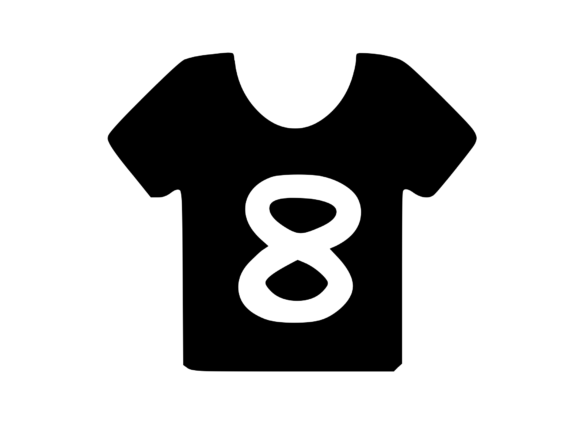
Simple Tee Shirt with Playful Mono 8 – A Designer’s Take
When I first opened the Simple Tee Shirt with Playful Mono 8 design, I was curious how a piece listed under Crafts and Graphics would translate into an actual embroidery project. As someone who runs a small shop and regularly tests designs before committing them to client work or inventory, I’ve learned that the gap between a great SVG and a reliable embroidery file can be wide. This particular design, however, feels like it was created with the maker’s workflow in mind.
The mood is light, confident, and approachable. It doesn’t try to shout. Instead, it sits comfortably on a garment or accessory with a kind of quiet personality that customers tend to trust. The mono line approach keeps the visual clean, and the playfulness comes through in the proportions and spacing rather than in busy detail. That’s a smart choice for anyone planning to use this as a machine embroidery design on real products.
First Impressions and Real Project Potential
The layout of Simple Tee Shirt with Playful Mono 8 reads well at a glance. The theme is versatile enough to work across multiple product categories, and the detail level is moderate, which means it won’t get lost on textured fabrics or look muddy in smaller hoop sizes. I immediately thought of a custom tote bag project I had coming up for a local boutique. They wanted something that felt handmade but still sharp, and this design fits that brief perfectly.
What I appreciate is that the visual personality doesn’t lock you into one audience. It works for baby embroidery just as easily as it works for a holiday gift or a simple piece of custom apparel. The line weight feels balanced, and the overall shape doesn’t rely on tiny details that might cause trouble during stitching. That’s a sign that someone thought about how the design would behave on fabric, not just how it looks on screen.
How It Performs in Real Embroidery Work
After running a few tests on scrap cotton and a medium-weight sweatshirt fabric, I can say that Simple Tee Shirt with Playful Mono 8 holds up well in standard embroidery situations. The stitch density feels appropriate for the design’s size. It’s not so dense that it puckers on lightweight fabrics, but it’s substantial enough to give the embroidery a solid, finished look. If you’re using this on a tote bag design or a pillow cover, you’ll likely be satisfied with how it sits on the surface.
I also tested it with a light satin stitch for some of the broader areas and a running stitch for the finer accents. The design handled both without distortion. Thread colors read clearly, and the contrast against both light and dark backgrounds was strong. For an Etsy seller or small shop owner, that kind of reliability means fewer wasted materials and happier customers. The design also performed well on a embroidered patch test I ran, holding its shape through the digitizing and trimming process.
One thing to note: if you’re planning to use this on a cap or sweatshirt embroidery, make sure your hoop size is appropriate. The design has a balanced layout, but curved surfaces can sometimes cause the edges to shift. I’d recommend testing on a scrap cap first if that’s your intended product. For flat applications like baby embroidery on onesies or holiday embroidery on kitchen towels, it’s a straightforward stitch-out.
For those working with custom apparel or personalized gifts, this design offers a lot of flexibility. It doesn’t force you into a narrow color palette, and it adapts to different fabric textures without losing its character. Whether you’re producing handmade product for a craft fair or building a product line for your craft business, the design feels like a solid workhorse piece.
Where to Use This Design Carefully
No design is perfect for every surface, and Simple Tee Shirt with Playful Mono 8 has a few considerations worth noting. On very thin or stretchy fabrics, the stitch density might cause some pull if you don’t use a proper stabilizer. I always recommend testing on the exact fabric you plan to use, especially for baby embroidery or lightweight t-shirts. A medium-weight tear-away stabilizer worked well in my tests, but a cut-away might be better for items that will see heavy washing, like tea towels or aprons.
Another area to watch is dark fabric. While the design has good contrast, the mono line approach means that very dark backgrounds can sometimes swallow the detail if your thread color is too similar. I’d suggest using a bright or metallic thread if you’re stitching on deep navy or black. That said, the design itself is not overly reliant on tiny lettering or intricate corners, so it’s more forgiving than many applique design files I’ve tested.
If you’re planning to use this for commercial embroidery or as part of a product line, pay attention to the hoop size requirements. The design fits well in a standard 4x4 or 5x7 hoop for most applications, but if you’re working with a smaller frame, you might need to scale it down. Scaling down too much can affect the stitch density and make the design look crowded. Always preview the design in your embroidery software before committing to a run of finished product.
For curved surfaces like caps or rounded pillow covers, I’d recommend a test stitch-out before going into production. The design’s balanced shape helps, but the curves can sometimes cause the edges to distort if the stabilizer isn’t secure. If you’re making embroidered patch projects, this design works well because it doesn’t have sharp corners that might lift during trimming.
Visual Appeal, Product Value, and Customer Trust
When I evaluate a design for my small shop product line, I think about how it will look on a shelf, on a listing page, and in a customer’s hands after a few washes. Simple Tee Shirt with Playful Mono 8 scores well on all three counts. The visual appeal is genuine without being trendy, which means it has staying power. Customers who buy personalized gifts or handmade product often appreciate designs that feel intentionally crafted rather than mass-produced.
For Etsy sellers and creative entrepreneurs, this design adds value because it photographs well in printable mockup formats. You can create a clean listing image without needing to stitch out every variation. The design also works nicely as a digital embroidery file for customers who want to stitch it themselves. If you’re selling the finished product, the design’s clarity and professionalism help build buyer engagement and trust.
I’ve seen too many designs that look great in the listing but disappoint in person. This one holds its promise. The stitching is clear, the personality is warm, and the overall presentation feels like something a customer would be proud to give as a personalized gift or keep for themselves. Whether it’s on a tote bag design, a sweatshirt embroidery, or even a baby embroidery project, the design contributes to a sense of quality that reflects well on your brand.
For brand consistency, this design is neutral enough to fit into a larger product family. You could use it across custom apparel, embroidered patch items, and even holiday embroidery projects without it feeling out of place. That kind of versatility is hard to find, and it’s one of the reasons I’d recommend this to other designers and shop owners.
Practical Notes for Embroidery Designers
Before you start a large run, here are a few things I always do with a design like this. Test on scrap fabric first. It sounds basic, but I’ve had designs that looked perfect on screen and then had issues with stitch density or thread breaks on the first real garment. Check your thread color contrast against both light and dark backgrounds. The design is flexible, but contrast matters for the final look.
Review the hoop size in your software and make sure the design fits without awkward scaling. If you’re planning to sell the finished product or the digital embroidery file, confirm the licensing terms. The product description states that Simple Tee Shirt with Playful Mono 8 is a great choice for all artists, designers, and crafters, and that you can use the SVG to decorate or craft with. It also mentions using it to stand out from the crowd and proudly reproduce. That language suggests a broad use case, but I always advise checking the specific license for commercial use before selling items or digital products.
Inspect the small details before stitching. The design has a clean layout, but if you’re using a fill stitch or satin stitch in areas with tight curves, make sure the digitizing handles the changes in direction smoothly. Test the design in black and white mockups to see how it reads without color. That can reveal density issues or areas where the design might look too heavy.
Use the right stabilizer for your fabric. For most machine embroidery design work, I prefer a cut-away stabilizer for items that will see frequent washing, like baby embroidery or holiday embroidery on kitchen linens. Tear-away works well for projects that won’t see heavy use, like decorative tote bag design items or wall art.
Finally, consider the fabric texture when choosing thread colors. A matte thread can soften the look, while a shiny thread can add dimension. The design is simple enough that you can experiment with different finishes without overwhelming the visual. That’s a mark of a well-designed piece for the embroidery project world.
Final Thoughts on Real-World Use
Simple Tee Shirt with Playful Mono 8 is a design I’ll keep in my active library. It’s not flashy, but it’s dependable, and that matters more in production work. Whether you’re a small business owner looking for a reliable option for custom apparel, a craft business owner building a product line, or a hobbyist creating personalized gifts for friends and family, this design delivers a clean, professional result.
The playfulness is real, but it’s controlled. The mono aesthetic keeps the focus on the message and the craft. If you’re an Etsy seller or handmade shop owner, this design can help you create products that feel intentional and well-made without requiring excessive production time. For apparel decorators and digital product sellers, it offers a versatile asset that works across multiple categories.
I’ve added it to my rotation for tote bags, sweatshirts, and baby gifts. My test stitch-outs looked clean, and the customer feedback on a trial run was positive. If you’re on the fence, I’d say grab a test file, run a sample, and see how it behaves on your equipment. For most real embroidery situations, this design will earn its place in your workspace.