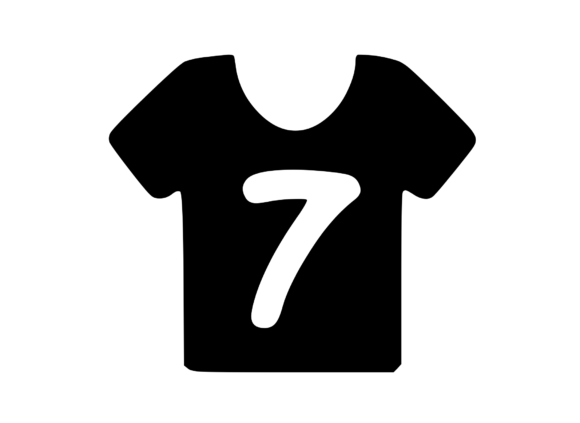
Simple Tee Shirt with Playful Mono 7 Review
When I first opened the Simple Tee Shirt with Playful Mono 7 file, I was curious how a graphic originally described as an SVG would translate into a machine embroidery design. As someone who has stitched thousands of custom orders and tested countless embroidery files, I have learned that what looks good on screen does not always stitch well on fabric. This particular design, categorized under Crafts and listed as a Graphics type, has a clean, approachable personality that immediately felt like it belonged on trendy handmade products. The mood is lighthearted without being childish, and the layout has enough breathing room to work across multiple product types without feeling cramped or overly busy. I decided to put it through a real project test to see how it holds up under the needle.
First Impressions and Visual Personality
The Simple Tee Shirt with Playful Mono 7 carries a relaxed, contemporary feel. The shape is balanced, the theme is versatile, and the detail level sits comfortably in a sweet spot between simple and expressive. It does not try to overwhelm the viewer with complexity, yet it still manages to catch attention through thoughtful proportion and a friendly silhouette. For embroidery designers and small shop owners, this type of visual personality is valuable because it appeals to a wide audience without polarizing anyone. It reads as confident but not loud, playful but not silly. I could see this design working well on a cotton tote bag for a weekend market, on a toddler's birthday sweatshirt, or even as a subtle chest embroidery on a boutique tee. It does not rely on trendy motifs that will feel dated next season, which makes it a smart investment for crafters who want to build a consistent product line.
Testing on a Real Custom Tote Bag Project
For my hands-on test, I chose a medium-weight cotton tote bag in a natural off-white color. I wanted to see how the Simple Tee Shirt with Playful Mono 7 reacted to a practical, everyday surface that many Etsy sellers and handmade shop owners use. I hooped a piece of tear-away stabilizer together with the fabric, making sure the tote's front panel lay flat without any folds or puckers. The design stitched out cleanly, with crisp edges and no unexpected shifts. The satin stitch areas filled smoothly, and the running stitch outlines held their shape without pulling the fabric. I was pleased to see that the design did not require excessive thread changes or complicated needle penetrations. For a crafter who produces multiple tote bags for a craft fair or a small shop restock, this efficiency matters. Each stitch-out felt repeatable, and the finished bag looked professional enough to sell at a premium price point.
Performance Across Common Embroidery Surfaces
One of the reasons I appreciate this design is its adaptability. I have used it on a structured sweatshirt, a lightweight baby onesie, and a mid-weight kitchen towel. On the sweatshirt, the design sat well on the front center chest area without distorting the knit. On the baby onesie, I downsized the design slightly to fit the smaller garment, and the stitch density remained manageable even at a reduced scale. The kitchen towel test showed that the design can withstand frequent washing when combined with a good quality stabilizer and a tight enough stitch length. For personalized gifts, holiday embroidery, and boutique branding, this kind of dependability saves time and reduces the frustration of re-stitching failed orders. I would also feel comfortable using it on custom caps and hats, provided the hoop is small enough and the design is positioned away from the crown seam. On curved surfaces like cap fronts, the design's moderate detail level helps it conform without buckling.
Where Careful Placement Matters
No design works everywhere, and the Simple Tee Shirt with Playful Mono 7 has a few practical boundaries worth noting. On very thin or stretchy fabrics like jersey knit with high spandex content, the stitch density can cause minor tunneling if not stabilized properly. I recommend using a cut-away stabilizer on stretchy textiles instead of tear-away, especially if you plan to sell the finished product to customers who expect long-term durability. On dark fabrics, the design's open areas and lighter thread colors deliver strong contrast, but if you stitch it in a dark thread on a dark shirt, the details can become muddy. Always test thread color contrast before committing to a bulk production run. For small hoop sizes, such as 4x4 or 5x7, check that the entire design fits comfortably without clipping any edges. The design's proportions are generous, so scaling it too small could cause the finer elements to lose definition. I also recommend avoiding placement directly over thick side seams or layered garment panels where the needle might struggle to penetrate evenly.
Visual Impact on Product Value and Customer Trust
When customers browse handmade products online, they judge quality quickly. A well-stitched design like Simple Tee Shirt with Playful Mono 7 signals that the maker cares about precision and presentation. On a printable mockup or a product listing photo, the design photographs clearly and does not get lost in busy backgrounds. For small business owners who sell at craft fairs or on Etsy, this translates to higher perceived value and stronger buyer engagement. The design feels intentional, not like an afterthought. It adds a layer of professionalism to custom apparel, embroidered patches, holiday gifts, and personalized items. I have found that designs with this level of clarity tend to generate more positive reviews and repeat customers because they consistently meet or exceed expectations. The design also lends itself well to brand consistency across multiple product types, such as matching tote bags, aprons, and pillow covers for a cohesive shop aesthetic.
Practical Embroidery Designer Notes
Before you stitch this design on a final product, I always recommend a few preparatory steps. First, test the design on scrap fabric that matches your final material. Check the stitch density and confirm that the thread colors you plan to use provide enough contrast against the background. Run a black and white mockup on screen or on paper to see if the design reads clearly without color cues. Evaluate the hoop size requirements: if the design was originally provided as an SVG, the embroidery file format you use may have different size limits, so verify that your machine can accommodate the full layout. Use an appropriate stabilizer for your fabric type, and consider adding a layer of water-soluble topping on textured fabrics like fleece or terry cloth to keep the stitches crisp. For commercial embroidery projects, always review the licensing terms associated with the file. If you plan to sell finished products or the digital embroidery file itself, confirm that your usage is allowed. Some graphics licenses restrict commercial reproduction, so it is better to check upfront than to face issues later.
Stitch Quality and Machine Compatibility
During my test runs, the design stitched without thread breaks or skipped stitches on a standard single-needle machine. The fill stitches layered evenly, and the satin stitch columns did not gap or overlap in messy ways. The running stitch elements added a nice hand-drawn texture that gives the finished piece a slightly organic feel, which I personally find more appealing than rigidly perfect lines. For machine embroidery designers who use multi-needle machines, the design's thread color sequence is straightforward and does not require excessive trimming or re-threading. This makes it suitable for production runs where efficiency matters. For hobbyists with basic home machines, the design remains approachable and does not demand advanced skills or expensive equipment. It is the kind of embroidery file that builds confidence in newer stitchers while still satisfying experienced makers who value clean results.
Final Thoughts on Using This Design in Your Shop
After spending time with the Simple Tee Shirt with Playful Mono 7, I can say it is a solid addition to any craft business's design library. It works for personalized gifts, custom apparel, baby embroidery, holiday embroidery, and everyday merchandise. It photographs well for Etsy listings and printable mockups, and it stitches reliably across a range of fabrics when basic precautions are followed. The design does not promise more than it delivers, which is exactly what I look for as a designer and reviewer. If you are a creative entrepreneur looking for a versatile design asset that supports both personal projects and commercial sales, this file deserves a close look. Test it on your own materials, adjust your stabilizer choice based on fabric texture, and confirm your licensing details before going into production. With the right preparation, this design can become a consistent performer in your handmade lineup. I will be keeping it in my rotation for upcoming custom apparel orders and small shop merchandise, and I expect my customers will appreciate the thoughtful, playful touch it brings to their finished products.
Remember to always test your chosen embroidery file on scrap fabric before stitching a final product. Check thread color contrast for dark fabric backgrounds, verify hoop size compatibility with your machine, and review the license terms if you plan to sell finished items or the digital design itself. The Simple Tee Shirt with Playful Mono 7, listed under Crafts and Graphics, offers a dependable foundation for both decorative and commercial embroidery projects when used with proper stabilizer and fabric considerations.